+50%
boost in remote sales
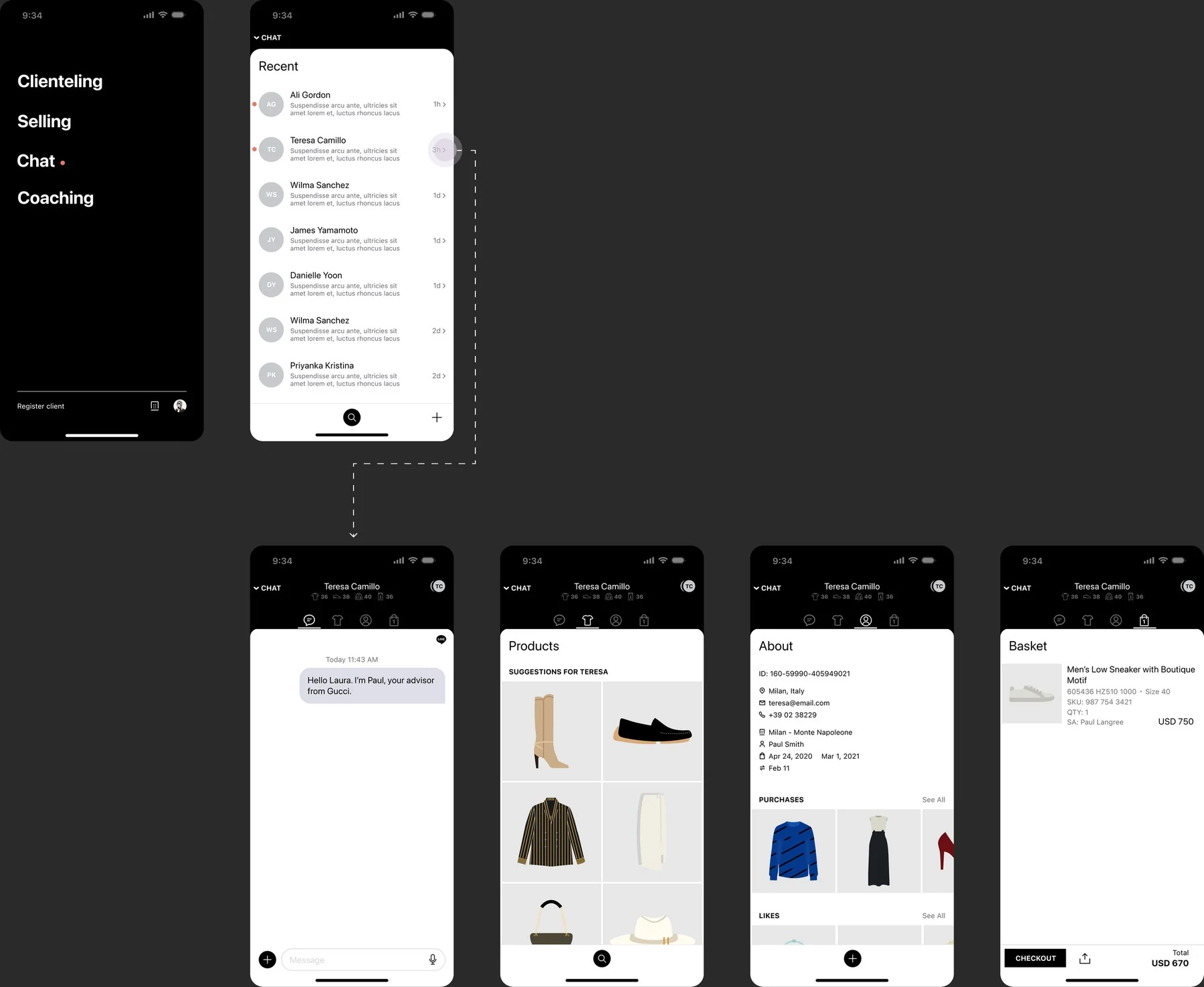
I expanded Luce Places, Kering’s CRM selling tool for 16,000 associates across 6 fashion houses, from an in-store experience into a remote selling platform. What started as a bug fix became an opportunity to support clienteling beyond the store, extending the value of an existing product without requiring a substantial new build.
By reusing the in-store selling experience engineering had already built, I shaped the solution around existing capabilities, minimizing incremental engineering effort while enabling associates to continue selling remotely.
+50%
boost in remote sales
+15%
average ticket value for Luce-assisted transactions
When my PM shared the bug, he also shared an API that would let sales associates message clients from Luce Places, with messages landing in each client’s preferred messaging app.
Since we already had to build a chat interface, I proposed connecting it to the in-store tools Luce Places already had, so sales associates could handle remote selling end to end, from recommending products to checkout.
1
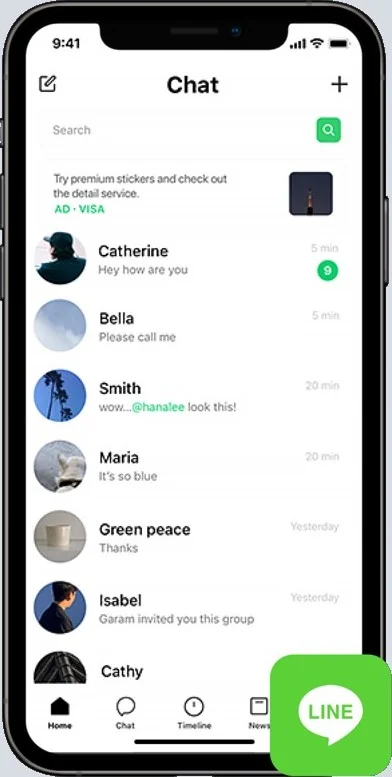
Switching between Luce Places and messaging apps broke their flow. Client preferences and purchase history lived in Luce Places, while the conversation lived in the messaging app.
2
When a client showed interest but didn’t buy right away, that interest got buried in the chat, and sales associates missed chances to follow up.
This confirmed we could do more than fix the bug. Connecting messaging to the tools sales associates already used would make remote selling much easier to manage.
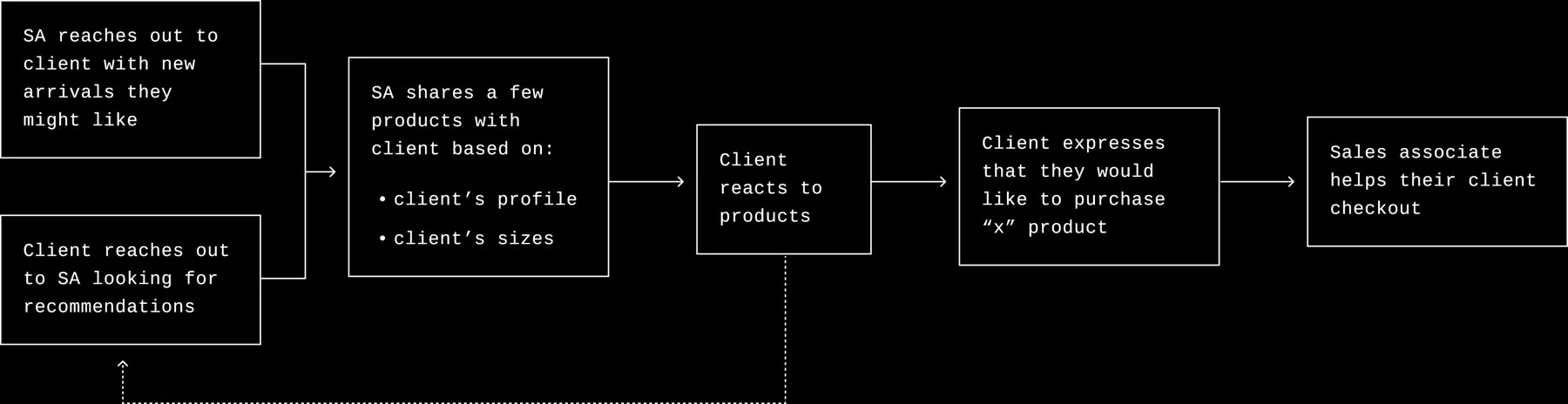
Interviews also revealed the remote selling journey:
Swipe to see the full image →
I designed the in-store Selling space in Luce Places, including the animations below. When a client walks in, the sales associate opens a space built around that client, with a personalized catalog, profile details like sizes and preferences, and a basket.
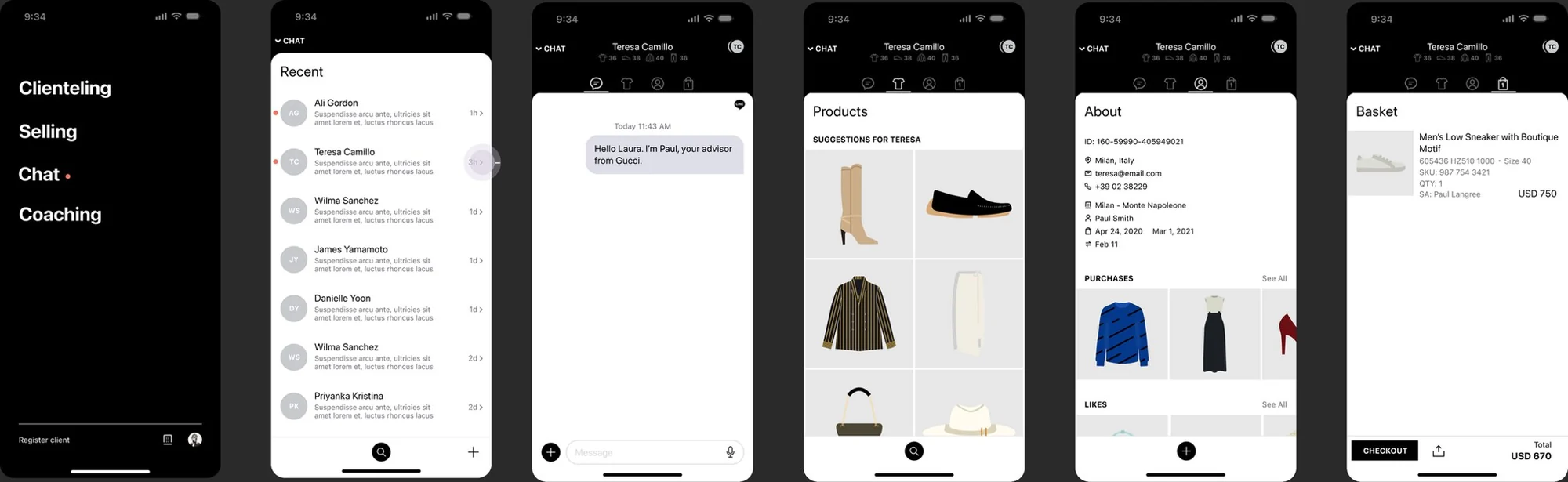
Remote selling could reuse these same tools instead of rebuilding them, along with a familiar pattern for moving between clients.
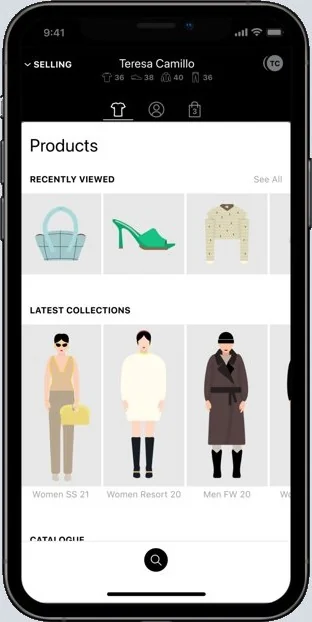
The personalized catalog is tailored to the client’s interests.
The client profile shows sizes, preferences, and purchase history.
The basket lets sales associates check out from their phone once the client decides.
Sales associates tap the menu and swipe horizontally to move between clients in store.
My first instinct was to mirror in-store selling, with the same menu and horizontal swiping between clients. It kept the experience familiar and reused existing patterns.
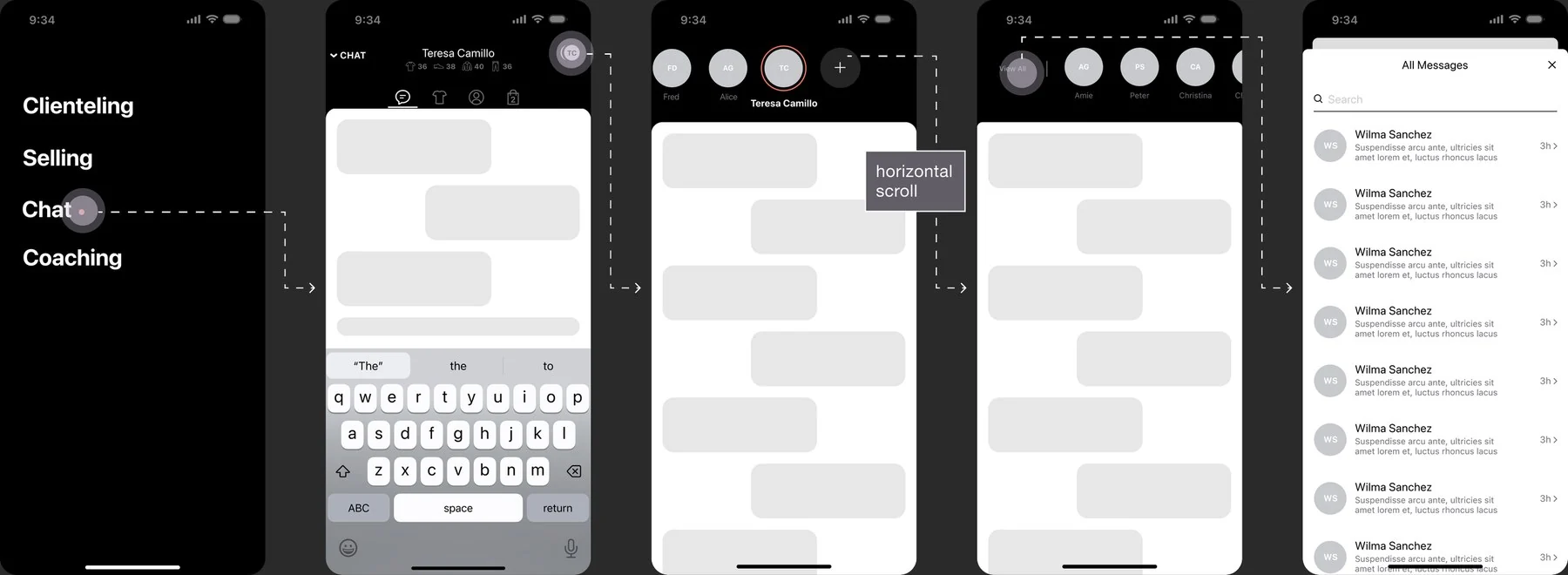
Prototyping it with stakeholders surfaced two issues. Remotely, there was no obvious default client to land on, and sales associates handle far more conversations than in-store clients, so swiping wouldn’t scale. I explored more typical messaging patterns instead.
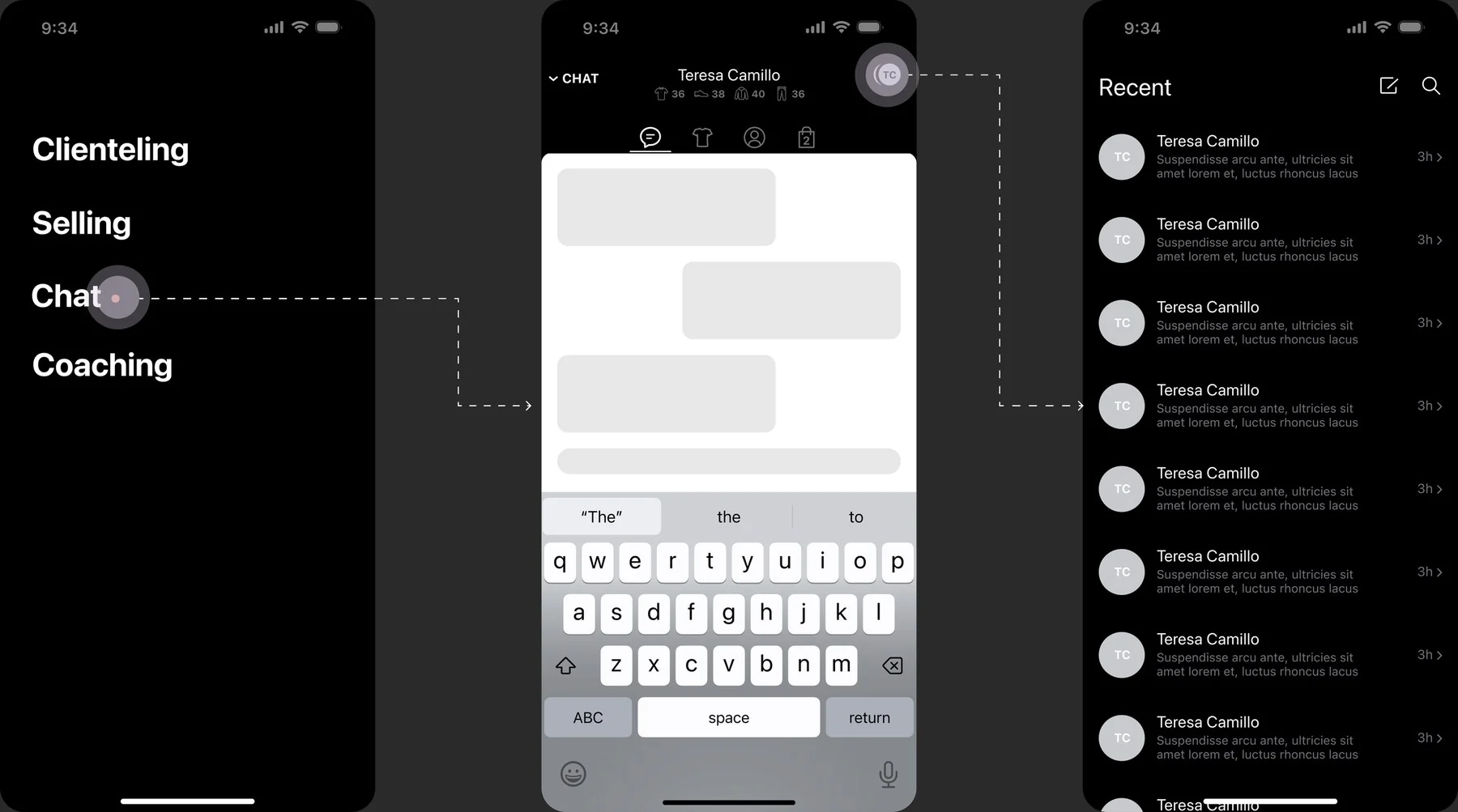
A recent conversations list gave sales associates a clear starting point and scaled to a higher volume of clients, so I adopted it for switching between conversations.
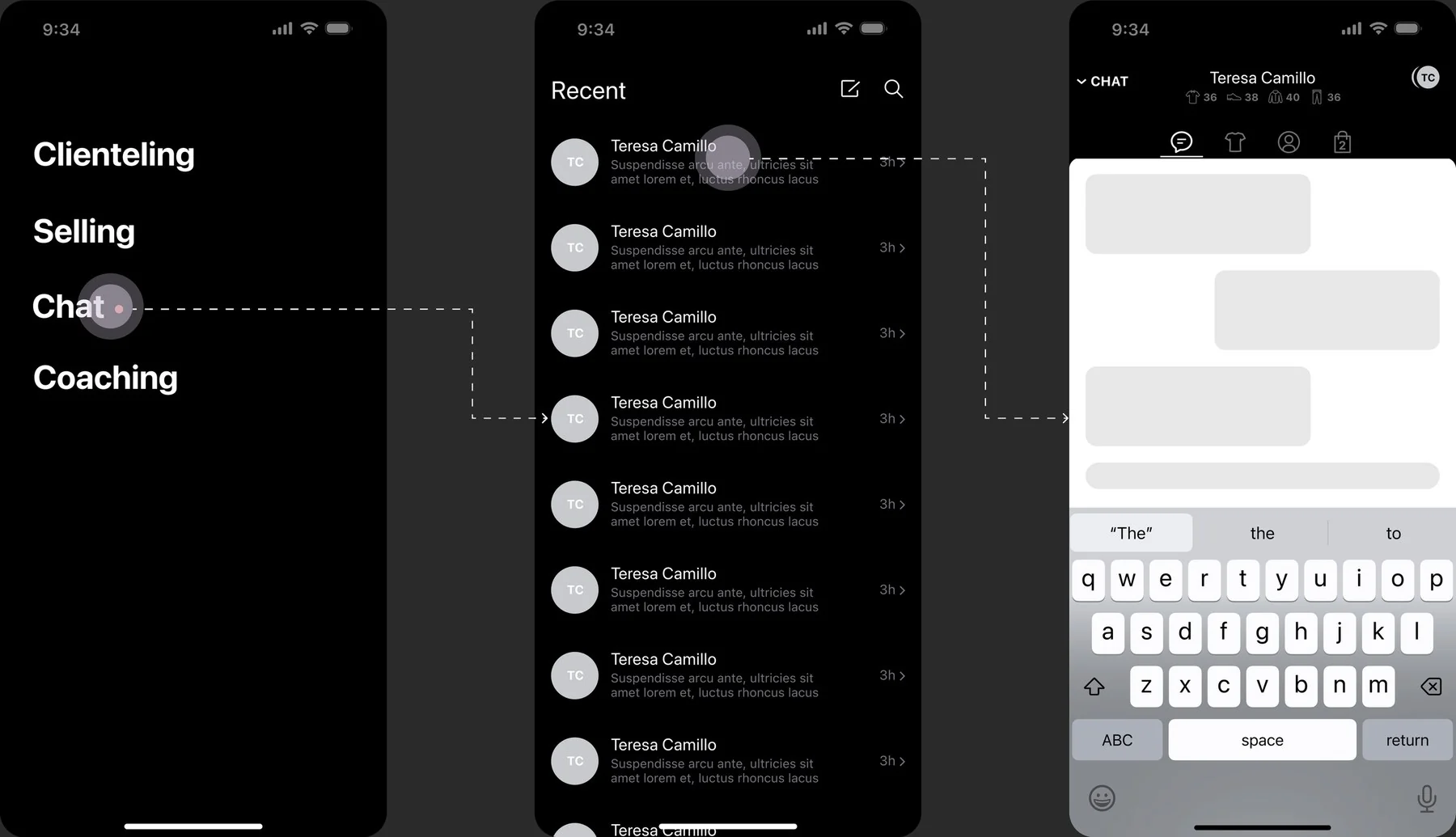
The final design keeps the catalog, profile, and basket from in-store selling, with a new Chat tab. Reusing existing tools is what kept the expanded scope low effort.
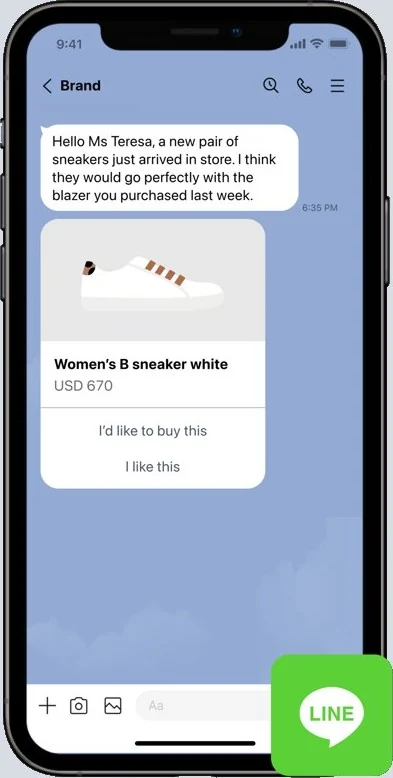
Sales associates share products from the catalog, and clients receive them in LINE as a carousel with “I’d like to buy this” and “I like this” buttons. The carousel came from LINE’s existing toolkit, so we built nothing new, and each tap gives sales associates a clear signal to follow up on.
When a client is ready to buy, the sales associate shares a checkout link in the conversation, and the client pays in LINE. This connects the whole process, from recommendation to follow-up to purchase.
This also solved the original problem. Tapping “Chat” from a task now opens the right conversation on the client’s preferred channel, without leaving Luce Places.
+50%
Remote sales rose 50% after launch.
+15%
The average ticket value for Luce-assisted transactions increased by 15%.