$466K
ARR in 36 weeks, up from $15K, with 48% monthly growth
I led the vision, roadmap, and design for OpenTable’s Communications Hub, turning fragmented guest messaging workflows into a unified communication experience for restaurants. By bringing automated SMS and direct messaging into one place, I helped restaurants manage guest communications more consistently while creating a new Premium product opportunity for OpenTable. I drove product direction across research, strategy, and execution, aligning restaurant needs with business goals to launch and scale the experience.
$466K
ARR in 36 weeks, up from $15K, with 48% monthly growth
3,106%
increase in subscribers
19%
of restaurants that found the hub customized a reservation message, nearly double the 10% target
40%
faster guest responses at restaurants with Premium Communications
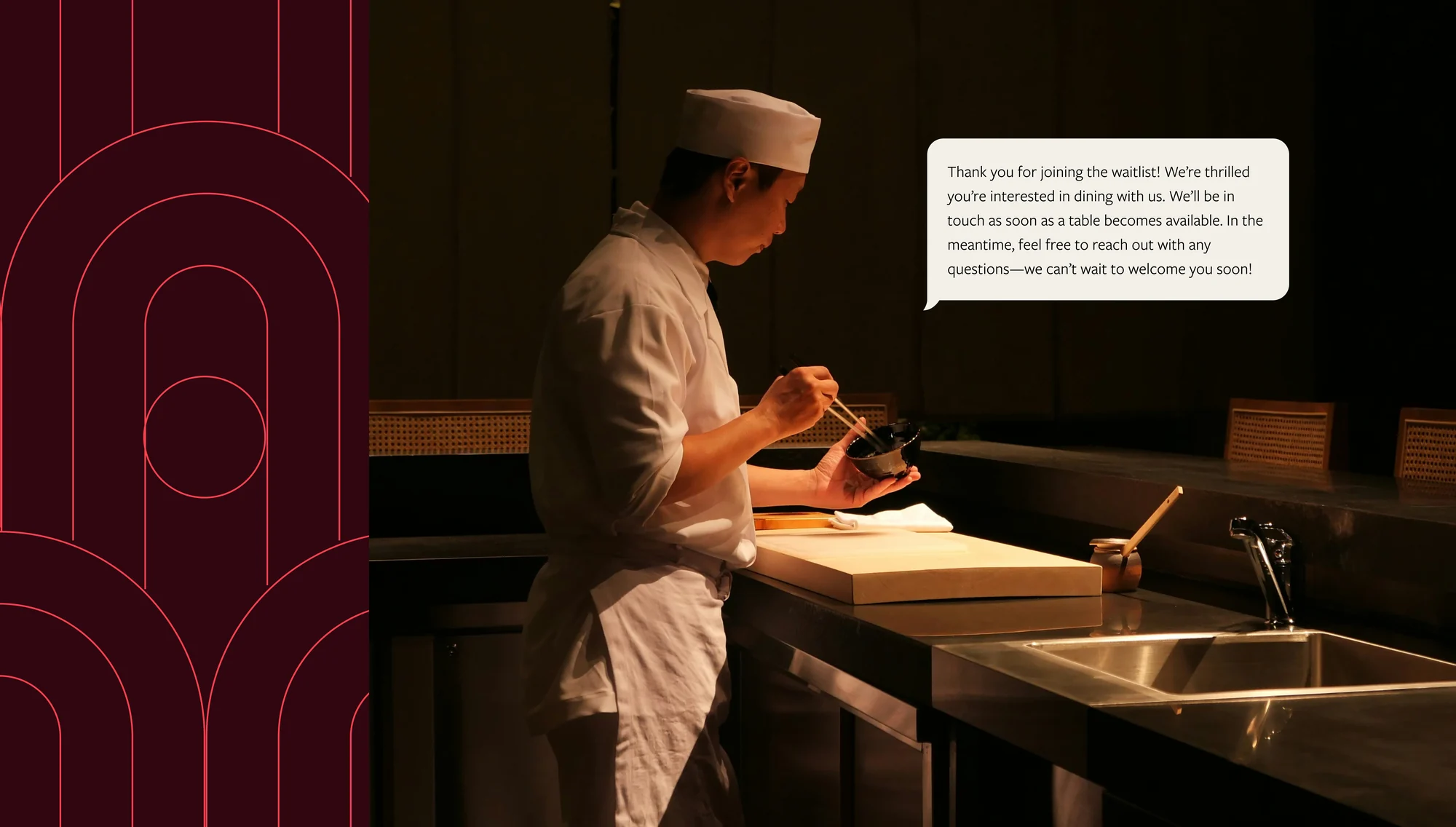
In 2024, OpenTable made Communications a priority. Communications covers every email, SMS, and direct message between restaurants and diners. These messages set expectations, help restaurants plan for service, and bring guests back.
Our research surfaced four pain points.
1
Customization and control
Restaurants want messages in their brand voice, and they want to control timing and recipients.
2
Reach and speed
Restaurants worry that messages from OpenTable reach diners too slowly.
3
Visibility
Messages to diners are spread across the platform. Restaurants can’t see them all in one place.
4
Manual effort
Guests expect fast replies, and short-staffed restaurants struggle to keep up.
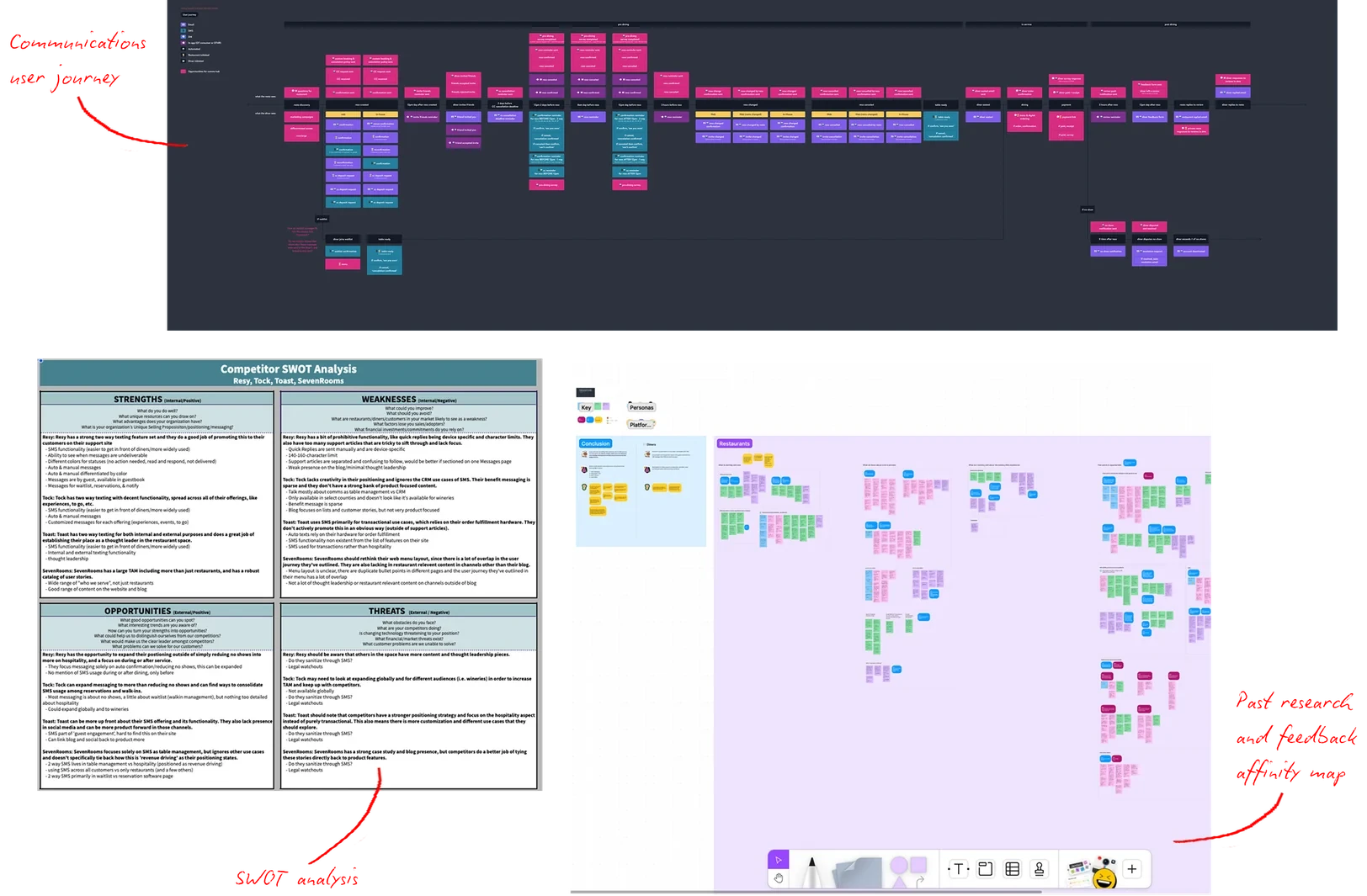
We ran a competitor SWOT, sorted all user feedback since 2022 into themes, and mapped the communications journey. We presented this vision to stakeholders: bring every channel into one simple hub that puts restaurants in control and reaches diners where they prefer.
Swipe to see the full image →
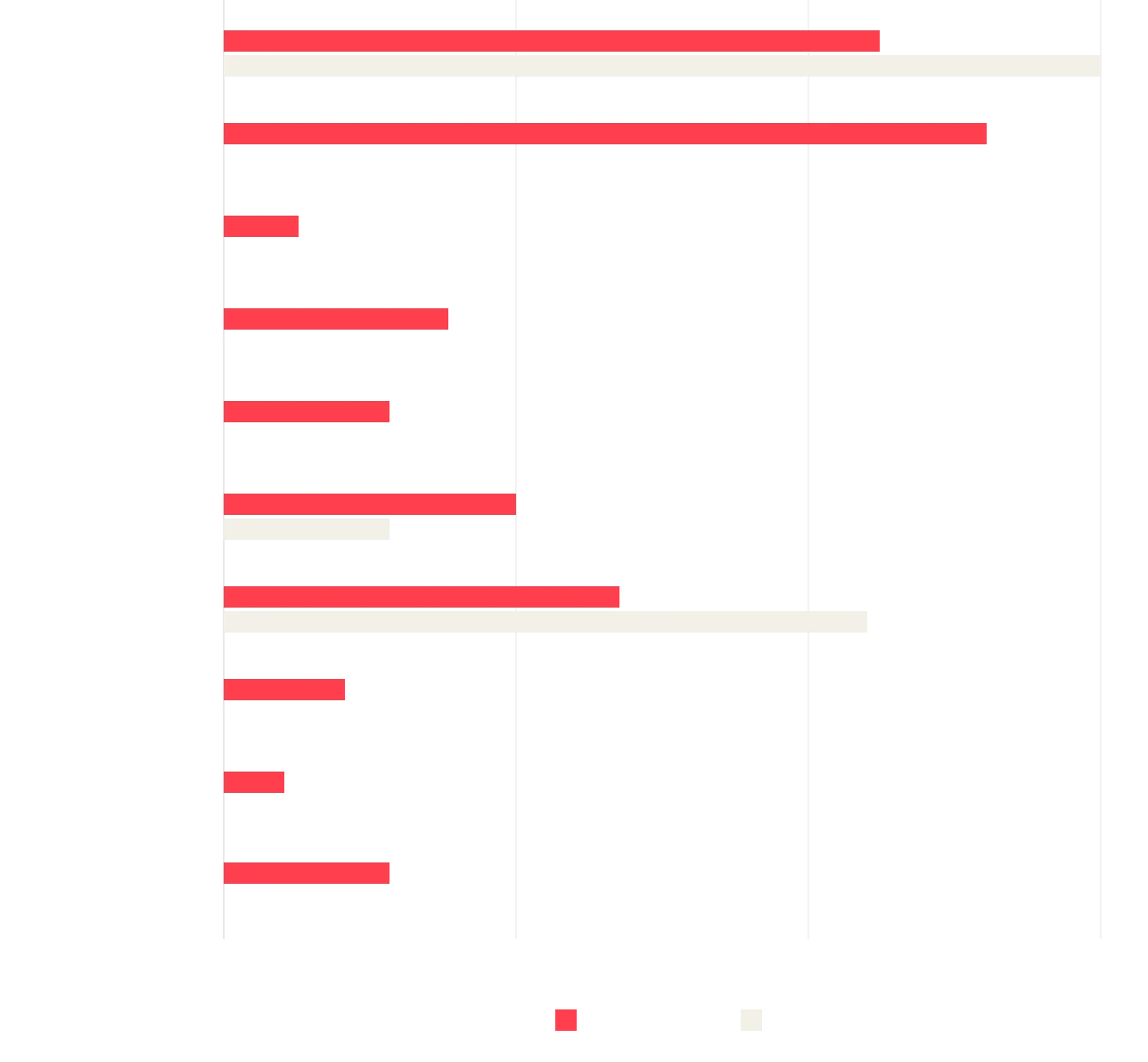
Across our vision, account managers and enterprise restaurant groups ranked transactional message customization as the highest priority. These are messages OpenTable sends to guests on behalf of restaurants.
OpenTable sends a lot of transactional messages, so we needed to prioritize which ones to customize first. I surveyed 20 restaurants and ran a prioritization exercise with 10 account managers. Reservation reminders and confirmation messages emerged as the top two priorities. Combined with engineering estimates, these insights shaped our MVP scope.
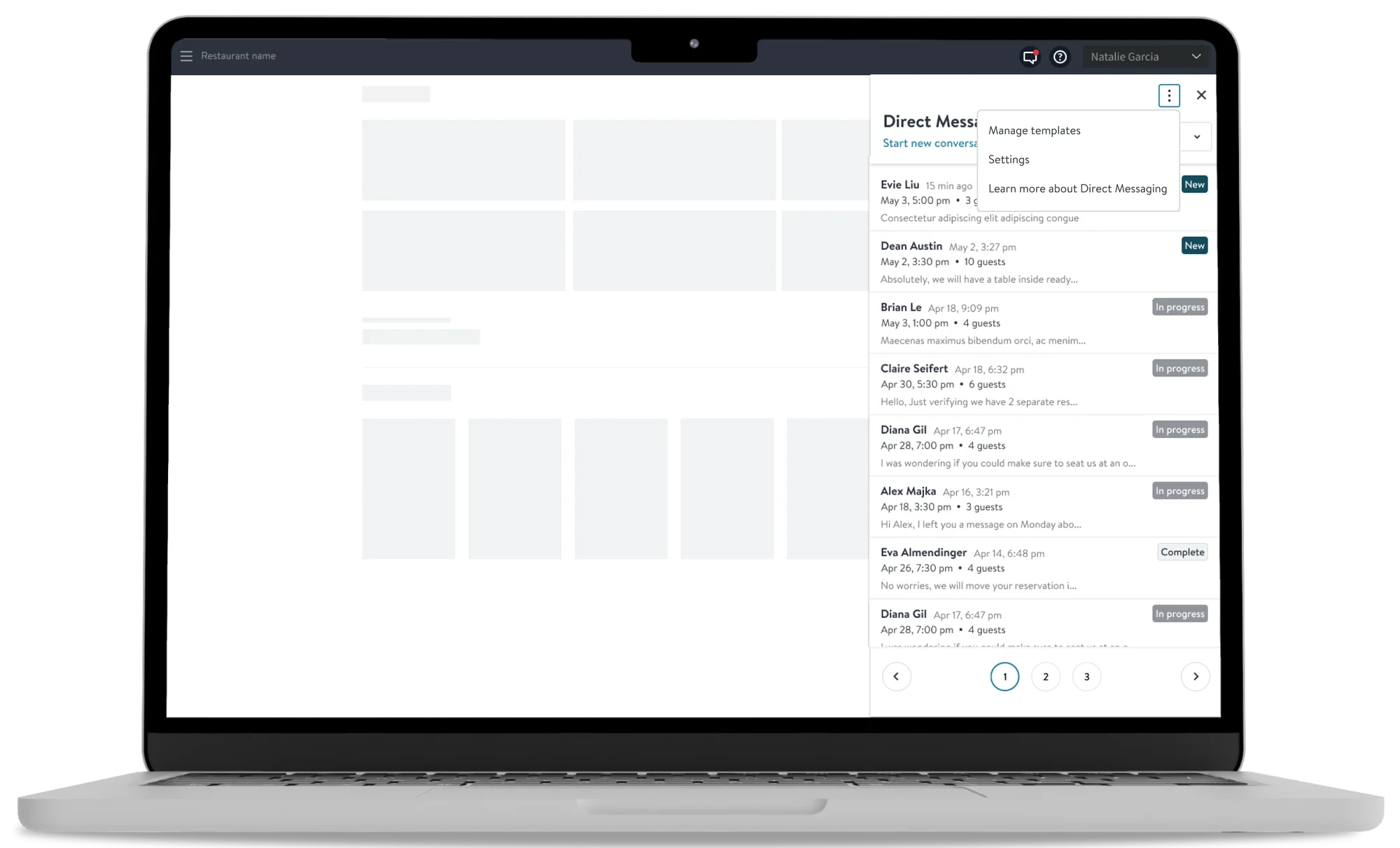
OpenTable already had a direct messaging tool, and since our guiding principle was to consolidate all restaurant communications in one place, bringing its direct messaging templates into the hub was a natural fit.
Swipe to see the full image →
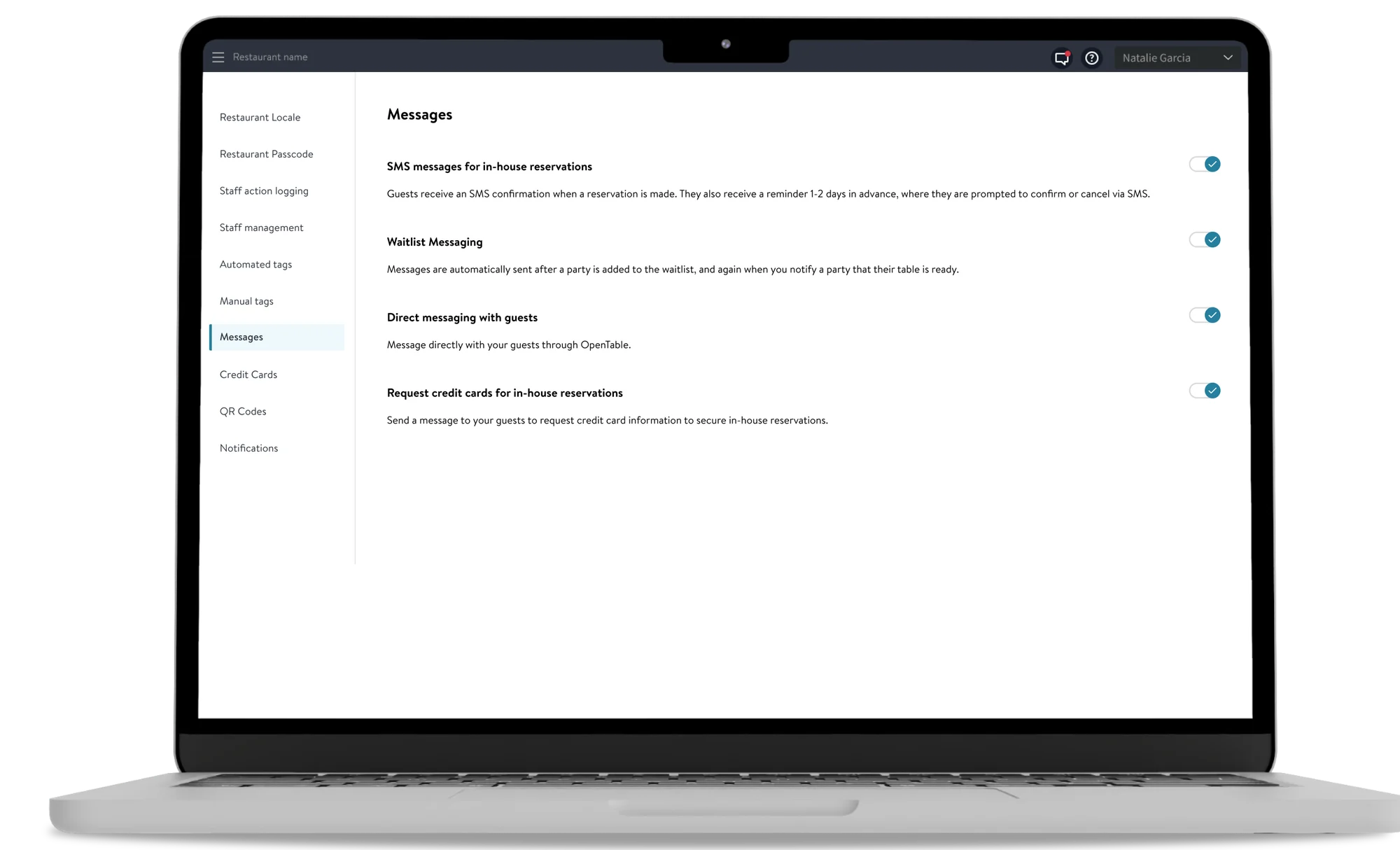
We also moved message settings from Restaurant Settings into Communications, aligning with our goal of centralizing communication-related workflows. This followed an existing pattern in OpenTable, where areas like Takeout, Reporting, and Availability Planning have Settings local to their area rather than in the global Restaurant Settings.
Swipe to see the full image →
1
Who customizes
Owners, general managers, brand managers, and directors of operations.
2
Brand voice
Most restaurants want transactional messages to reflect their tone of voice.
3
Fewer no-shows
Restaurants want follow-up reminders 2 to 6 hours before a reservation.
4
Upsell moments
Restaurants see confirmations as a chance to market and upsell.
We just don’t feel that existing templates really fit the brand of what we’re trying to say.
OpenTable sends automated SMS messages about reservations, while restaurants can also send transactional DMs. I wanted to understand whether restaurants viewed these as one workflow or two separate ones.
In interviews, I tested a prototype organized around guest journeys. Users first selected a journey, such as a reservation or waitlist, customized its messages, then chose a channel. The hypothesis was that message content mattered more than the channel.
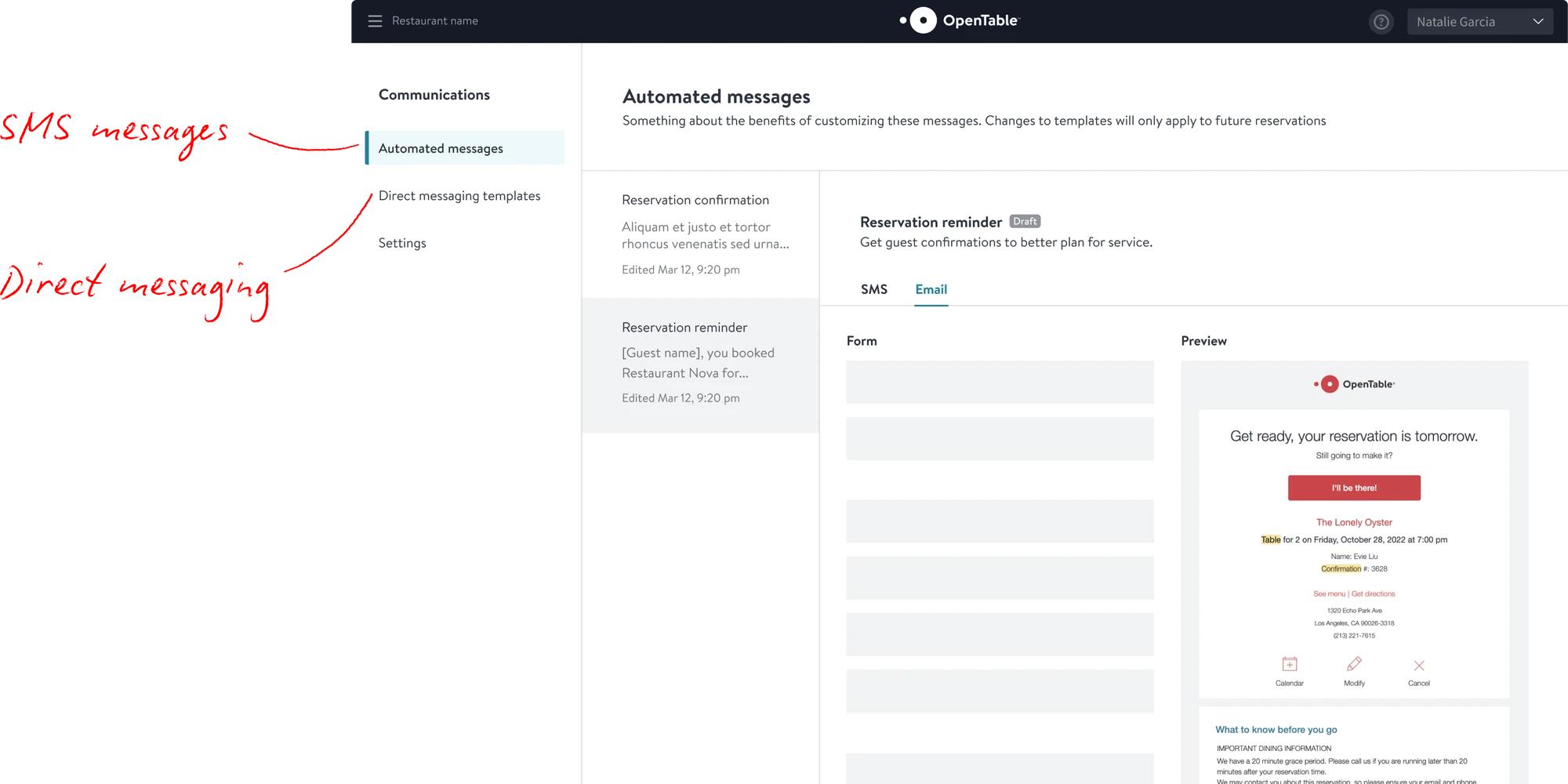
Every restaurant found this confusing. They expected to choose the channel first and immediately see the SMS messages OpenTable already sends on their behalf. They knew which messages they wanted to customize and when they were sent.
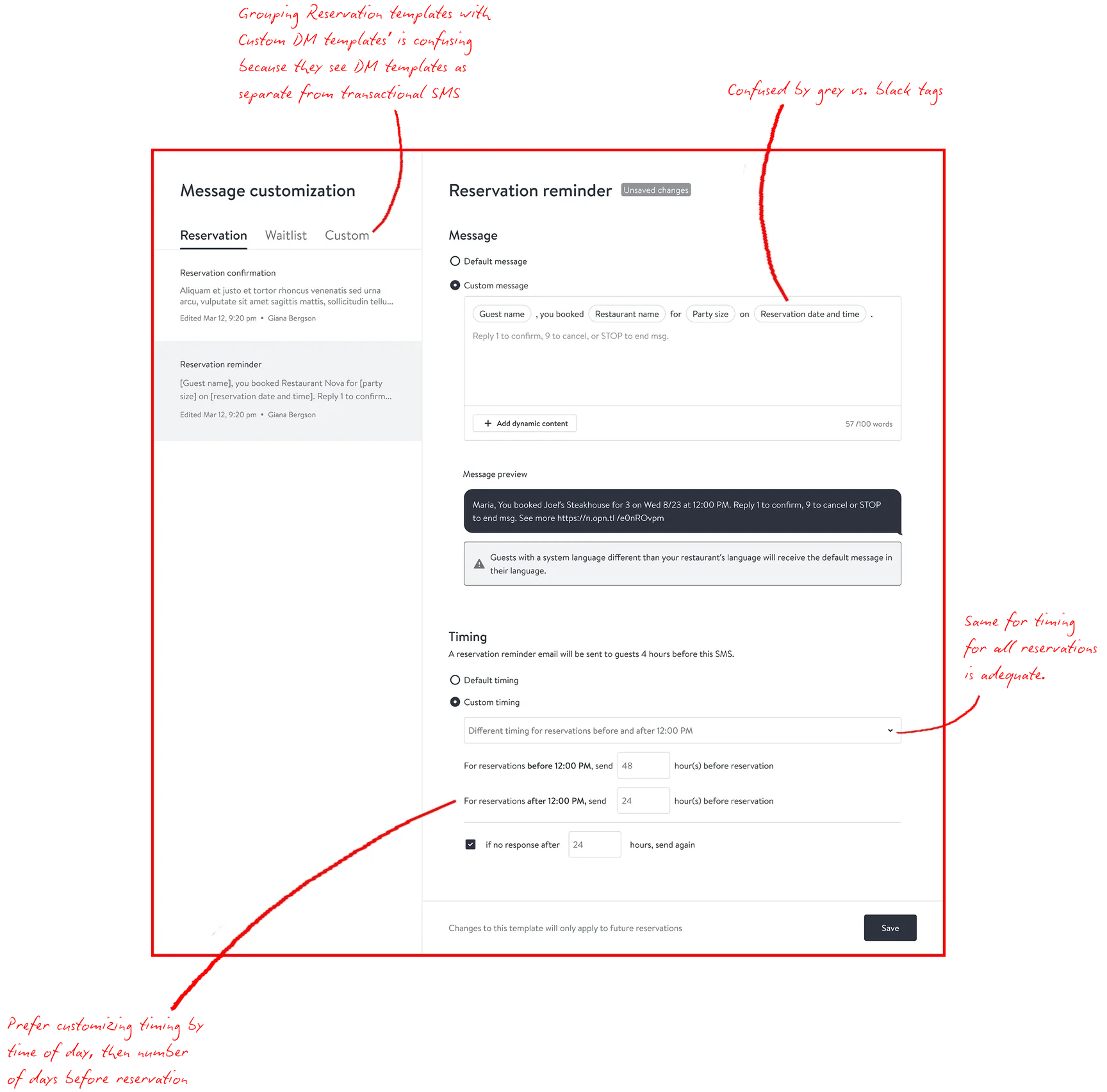
So it was clear that SMS customization should be a completely separate page from DM templates.
Swipe to see the full image →
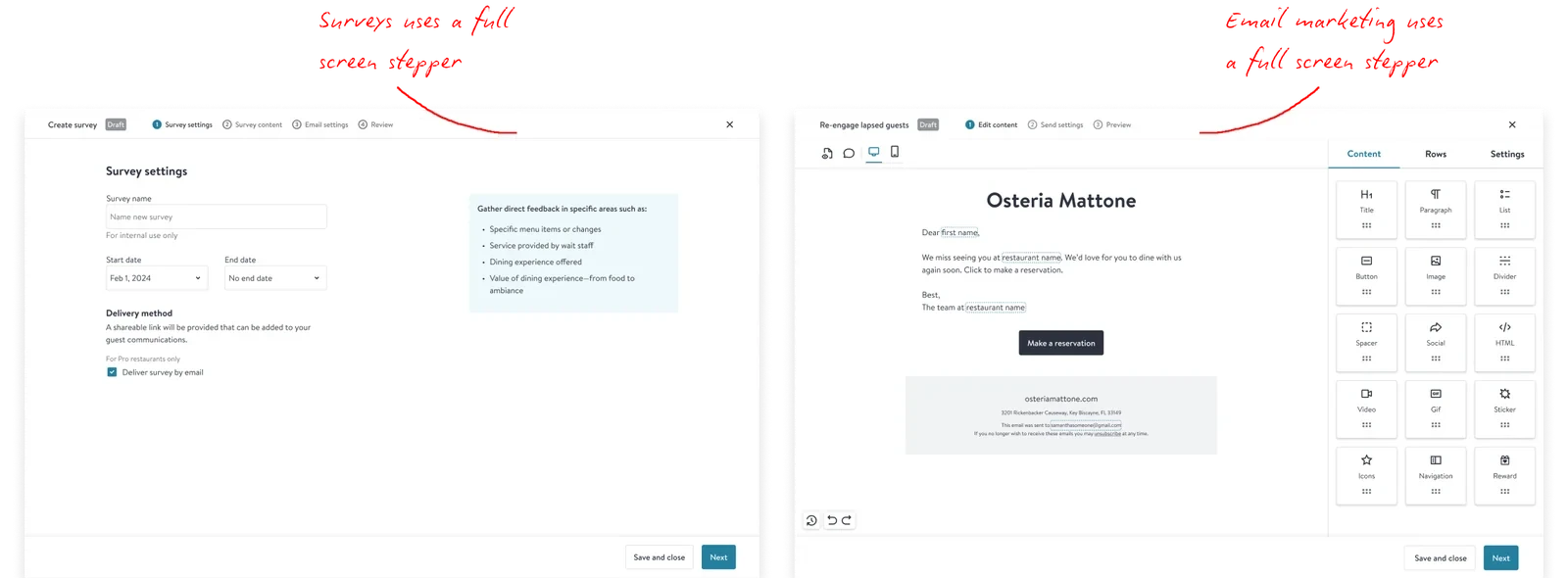
From here I noticed that other customization projects, like marketing emails and survey creation, used full-screen stepper modals. This inspired me to use the same pattern for consistency and ease of use. In a quick usability session, account managers told me restaurants often need help with complex setup flows and do better with simple, linear ones. This validated the choice of a simple, linear full-screen stepper.
Swipe to see the full image →
Restaurants open Automated messages, pick the SMS they want to change, and edit its message and timing in a step-by-step flow with a live preview. The channel-first navigation came from concept testing, the stepper from account manager feedback, and the timing options from what restaurants asked for in interviews.
$466K
ARR 36 weeks after launch, up from $15K
48%
monthly growth, with a 3,106% increase in subscribers
19%
of restaurants that found the hub customized a reservation message, nearly double the 10% target
40%
faster guest responses at restaurants with Premium Communications